






To be competitive in today’s modern oil and gas industry, companies must rely on remote oilfield assets. From tank batteries and well heads to saltwater disposal facilities and all of the pipeline and processes in between, operators are responsible for maintaining equipment spread across hundreds of miles.
And sometimes maintaining those operations presents expensive problems. Unplanned downtime, extensive travel and the hazards associated, connectivity issues, and inefficient field logistics can quietly (or very loudly) drain resources. Fortunately, advances in technology are able to address these issues and maximize efficiency within the oil and gas industry.
Below we’ll explore some of these hidden costs of managing remote oilfield assets and how to reduce them.
Unplanned Downtime
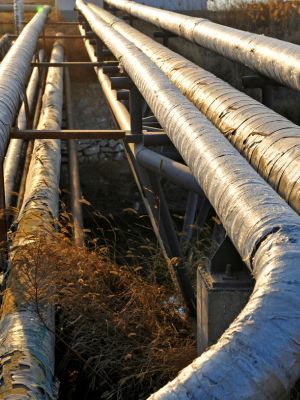
For most oilfield operators, downtime is the largest money-guzzler they face. Whether it’s equipment failure or spills, even minor issues in operation can lead to:
- Operational shutdown
- Emergency maintenance expenses
- Equipment replacement costs
- Loss of resources
- Increased labor costs
- Compliance risks
- Mitigation costs
While some initial failures or equipment malfunctions may seem small at first, these detectable issues may present monstrous downtime later down the road.
How to Address it: Predictive Maintenance
In addition to routine scheduled maintenance, operators can implement predictive maintenance strategies to ensure equipment is operating as it should, and optimize it as much as possible.
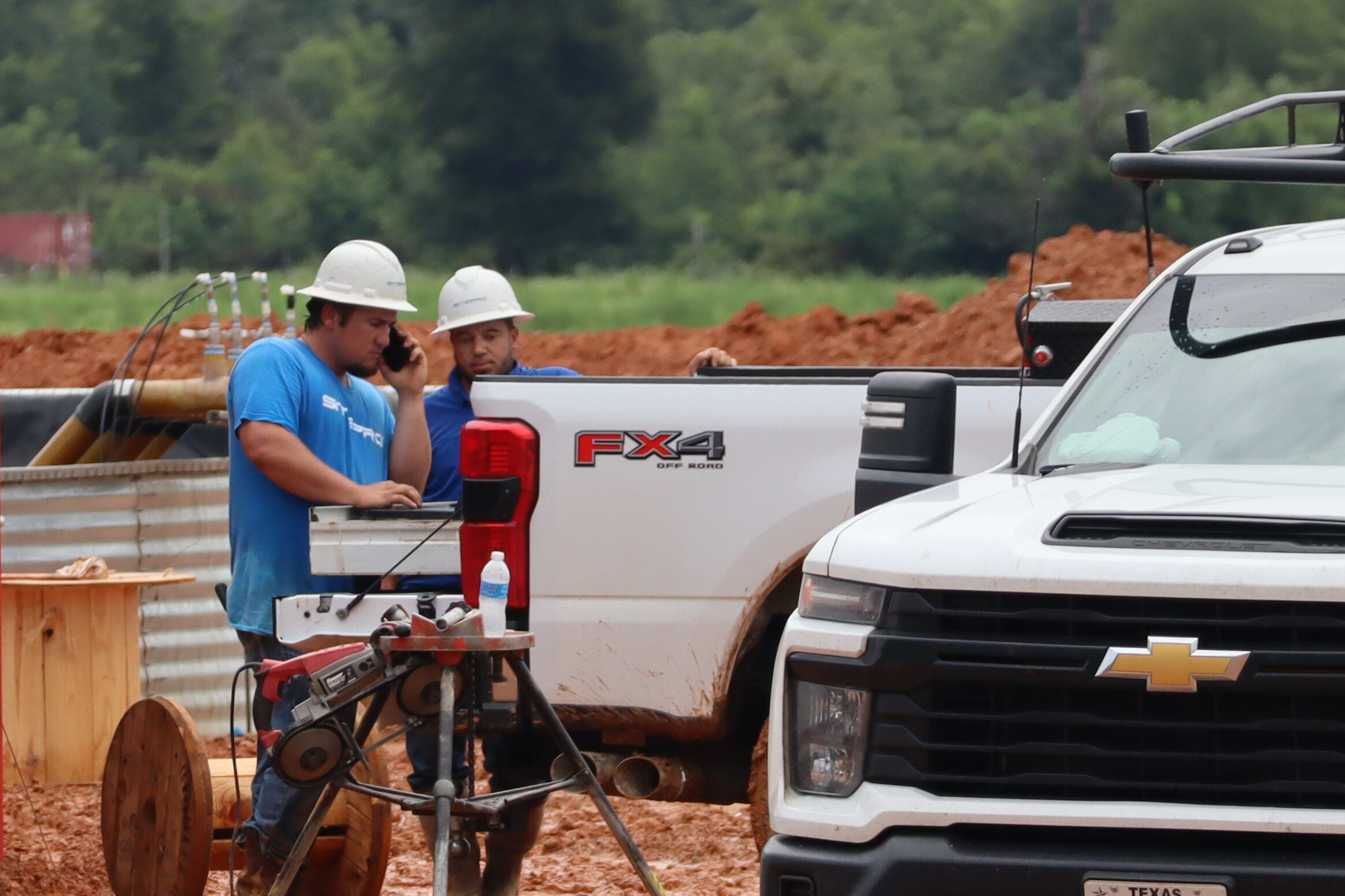
Technological advances such as equipment sensors, automated diagnostics, historical data, and more can help operators gain early visibility into how their equipment is operating. SitePro’s System Test lets operators conduct live equipment analysis and chart that data in graphs.
Instead of reacting to failures, operators can schedule consistent maintenance activities to optimize their operations.
Issue: Resource-consuming Travel
The oilfield spans thousands of miles, often requiring workers to travel long distances to verify sites are operating as they should be and respond to alarms. These trips come with costs that far exceed fuel expenses, including:
- Wear and tear on vehicles
- Hours spent on the road
- Safety hazards accompanied with driving
- Labor expenses
In most cases, crews spend more time on the road than they actually spend resolving issues.
How to Address it: Real-time Monitoring and Analytics
Remote monitoring access can eliminate unnecessary trips to and from location. This improves both the safety for workers who would otherwise have to hit the road to check on operations and the reportable ESG metrics for the companies who employ those workers.
In addition to real-time monitoring and data retrieval capabilities, some technology companies give operators the ability to remotely respond to situations. SitePro’s patented remote control technology allows operators to proactively change settings and adjust equipment variables to prevent incidents from occurring, or to respond immediately when accidents do happen.
Issue: Connectivity Challenges in Remote Locations
In addition to the oilfield spanning across thousands of miles, these sites are often in remote locations, making connectivity difficult, expensive, or altogether unavailable. This can put executives between a rock and a hard place:
- Spend exorbitant amounts of money to enable visibility in those remote locations
- Go without and risk not knowing how equipment is operating at any given time
Without dependable and cost-effective connection, operators risk lack of insight into how their site is operating and potential late responses to downtime.
How To Address It: Affordable Edge Connections
Modern edge computing equipment and capabilities can help bridge the gap between remote critical infrastructure and visibility into how it’s operating.
Cost-effective edge solutions collect data locally and transmit critical information from industrial application to monitoring or SCADA platforms via the cloud.
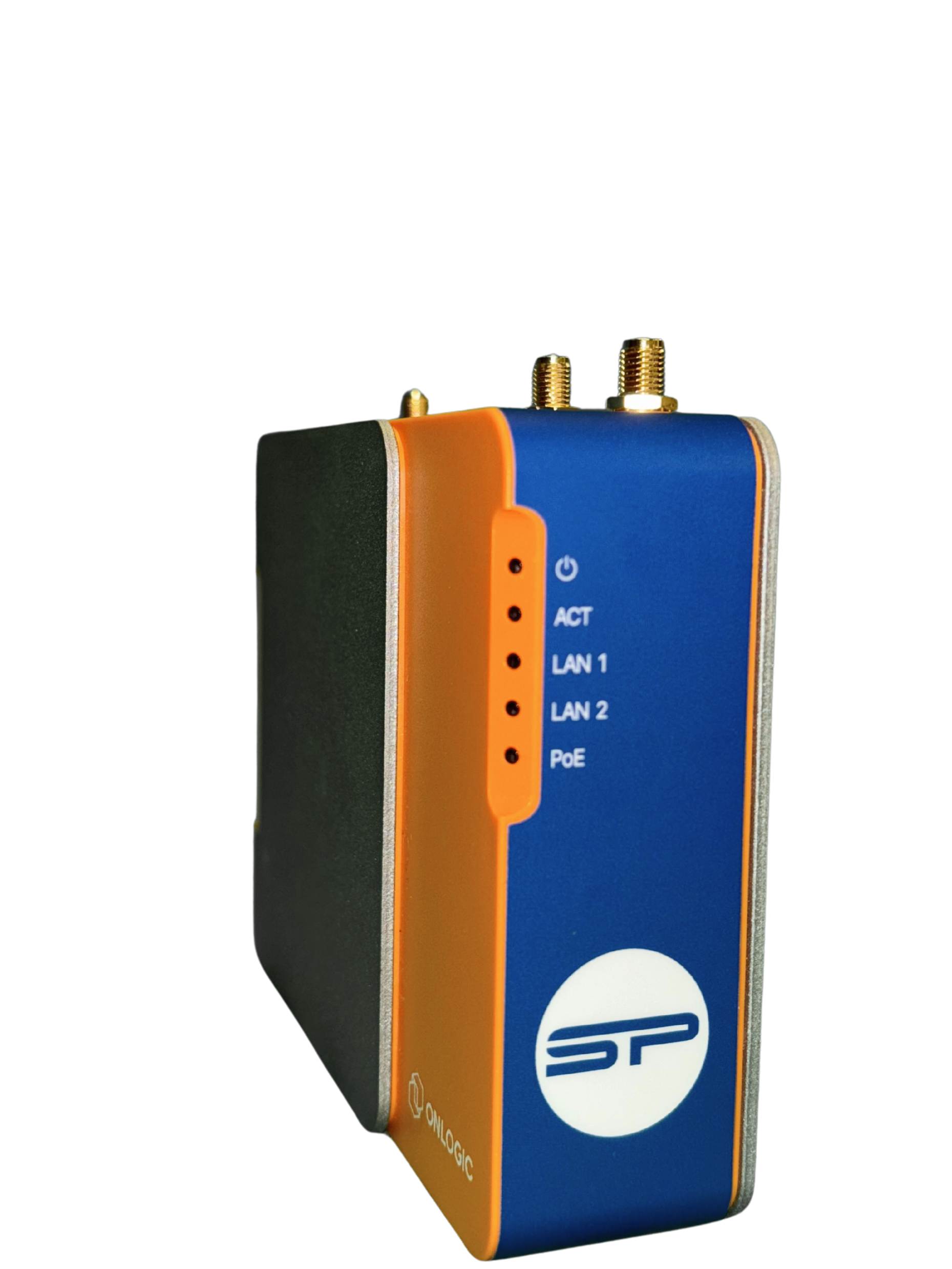
SitePro Edge was designed specifically for this purpose: to help operators maintain visibility without utilizing expensive or unreliable solutions. These updates provide users with greater flexibility, transparency, and control data, allowing you the creation of custom workflows, alerts, and reports.
Plus, SitePro has extensive experience creating connectivity in rural and remote areas. From radio, to cell, and even Starlink – there are options for visibility where you haven’t had it before, and we are well versed in finding the most efficient solution for you.
Issue: Inefficient Field Logistics
Operational inefficiencies and sneaky costs often hide within traditional daily workflows. Some of these are especially prevalent in the midstream sector and include:
- Paper ticketing
- Manual data entry
- Manual regulatory reporting
These processes can result in:
- Missing or incorrect ticket entries
- Compliance risks and fines
- Labor costs for time spent manually reconciling information
How To Address It: Deploy Digital Workflows and Automation
Digitizing the ticketing and reporting processes can help organizations address these issues and optimize workflow.
By digitizing and automating field logistics, companies can:
- Save time and labor costs
- Ensure more accurate data entry
- Include more robust data information
- Accelerate the invoicing and reporting processes
- Ensure compliance
This frees operators and administrators to focus on more important tasks and gain flexibility within their own positions.
SitePro’s Digital Ticketing and Regulatory Reporting features provide a centralized platform for operators and administrators to manage all of their digital tickets in real-time, and seamlessly convert that data for invoicing and regulatory reporting processes.

The hidden costs of managing remote assets in the oilfield far exceeds labor and equipment costs. Unplanned downtime, excessive travel, lack of connectivity to remote assets, and outdated field logistics can snowball into significant cost hindrances.
But like most industries, the oilfield is evolving to incorporate technological advances that can help address these issues and streamline operations efficiently. By investing in platforms like SitePro that can give real-time visibility into these remote equipment pieces (even those on the Edge), operators can still manage remote assets efficiently.
SitePro’s all-in-one platform allows operators to automate processes, remotely monitor and control all equipment pieces, retrieve robust data and analytics, digitize ticketing and reporting processes, and so much more.
Contact us today to learn more about how SitePro can help your oil and gas operations manage those remote assets.